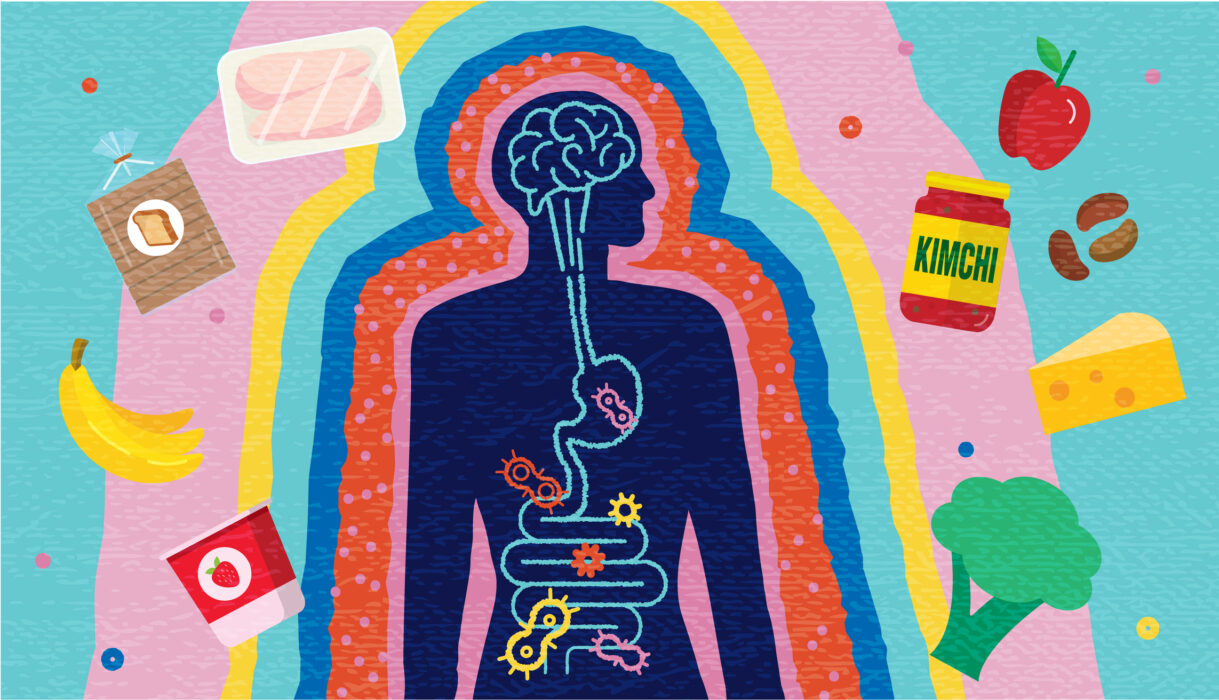
Healthcare professionals can now access a global gut microbiome database for free
Healthcare professionals can now access a global gut microbiome database for free
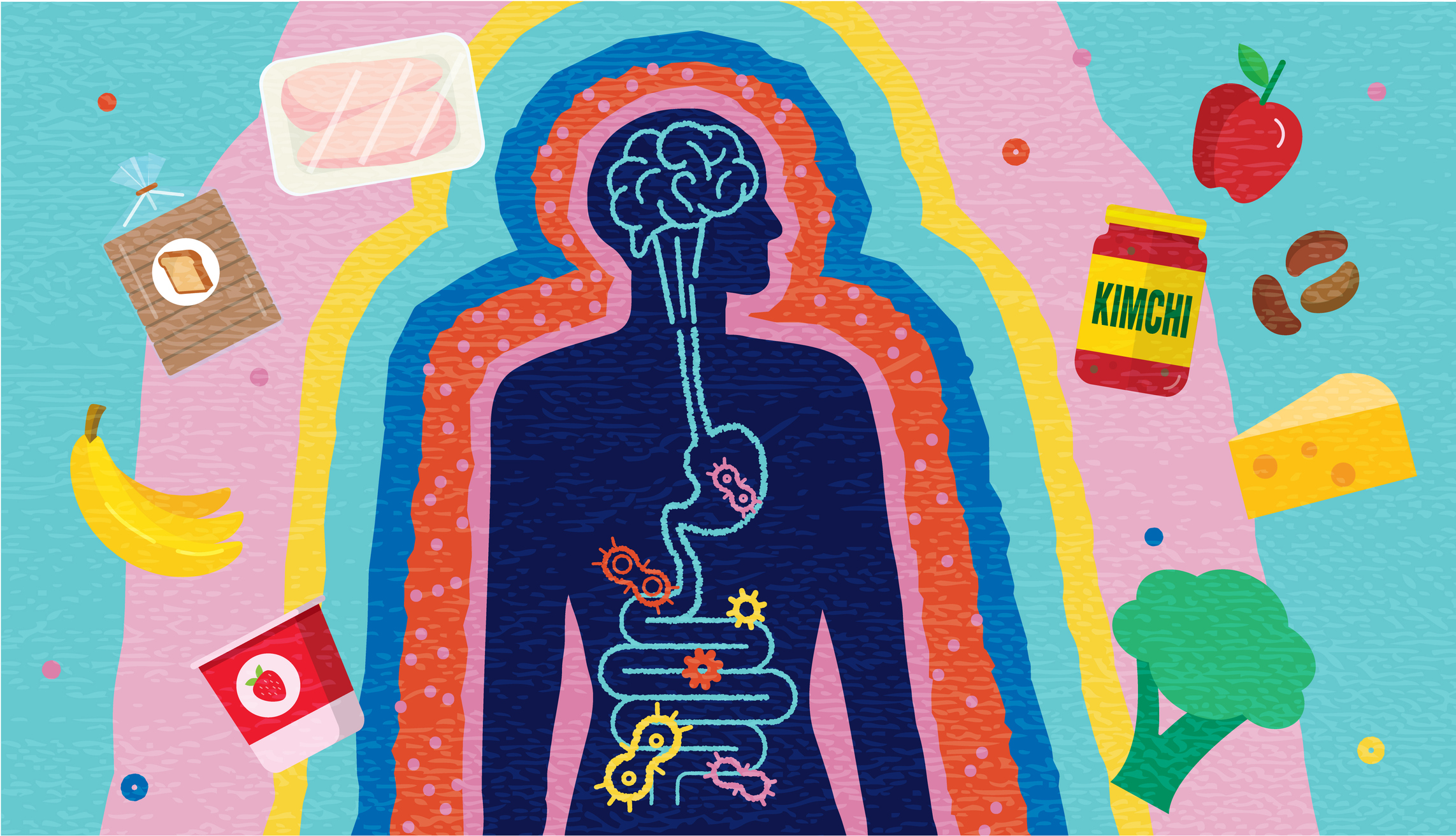
If you work in gut health, you know how critical the microbiome is to digestion, immunity, and even mental wellbeing. But did you know there’s now a freely accessible global atlas that maps the human gut microbiome across populations, diseases, and regions?
The Human Gut Microbiome Atlas (HGMA) is an open-access resource that compiles metagenomic data from over 6,000 samples across 20 countries. It enables healthcare professionals and researchers to explore microbial diversity, disease associations, and functional profiles at an unprecedented scale¹.
Who can access it?
Anyone. The HGMA https://www.microbiomeatlas.org/ is completely free to access and designed to support both academic and clinical communities². Users can explore species-level abundance, gene richness, enterotypes, and disease-linked microbial signatures without needing a subscription or login.
Why was it created?
Until recently, microbiome data was fragmented – siloed by geography or disease. This made it difficult to compare microbial profiles across populations or identify consistent patterns in health and disease. The HGMA was developed to overcome this barrier by harmonising global data into a single, searchable platform³.
Dr Saeed Shoaie, Senior Lecturer in Systems and Synthetic Biology at King’s College London, noted that the lack of access to high-quality harmonised data was a major obstacle to impactful research. The HGMA was created to enable large-scale comparative studies and support personalised treatment strategies based on microbiome profiles³.
Who’s behind it?
The HGMA is a collaboration between leading institutions:
- King’s College London (UK)
- Science for Life Laboratory (Sweden)
- INRAE / MetaGenoPolis (France)
It is funded by respected scientific bodies, including:
- Engineering and Physical Sciences Research Council (EPSRC)
- Biotechnology and Biological Sciences Research Council (BBSRC)
- Knut and Alice Wallenberg Foundation
- Erling Persson Foundation⁴
These organisations have a strong track record in systems biology, genomics, and translational research.
What can you do with it?
Healthcare professionals can use the HGMA to:
- Identify microbial biomarkers for conditions like colorectal cancer, Crohn’s disease, and type 2 diabetes
- Explore microbial patterns across geographic regions and ethnic groups
- Inform dietary, probiotic, or microbiome transplant strategies
- Support clinical decision-making with data-driven insights into gut dysbiosis
Scientific credentials
The HGMA is backed by peer-reviewed research published in Genome Research, detailing the methodology and findings from the global survey of gut microbiome samples. The study used machine learning and statistical modelling to classify microbial features across 23 diseases and 19 countries¹.
This information is provided for educational purposes only and is not a substitute for professional medical advice. Always seek the guidance of your physician or qualified healthcare provider with any questions you may have regarding your health or a medical condition.
References
1. Shoaie S, Lee S, Portlock T, et al. Global compositional and functional states of the human gut microbiome in health and disease. Genome Res. 2024;34(6):967-981. doi:10.1101/gr.277345.124
2. Microbiome Atlas. Human Gut Microbiome Atlas. Available from: https://www.microbiomeatlas.org
3. King’s College London. New gut microbiome atlas builds most accurate profile of global gut health to date. Published July 2024. Available from: https://www.kcl.ac.uk/news/new-gut-microbiome-atlas-builds-most-accurate-profile-of-global-gut-health-to-date
4. Microbiome Atlas. About the HGMA. Available from: https://www.microbiomeatlas.org/about.php

Robert Hendriks MD
Chief Executive Officer, SFI Health
Learn
Research is important, and we want to share it. Our articles distill the complex research and offer expert analysis on the microbiome, brain health and wellbeing.

The gut-first approach: what kefir’s popularity reveals about 2026 health trends
Kefir’s rise reflects a broader shift toward gut‑first, functional nutrition.
Read more
Why your gut feelings are real: the vagus nerve, microbial messages and the physiology of the gut-brain
How the vagus nerve and microbiome shape gut-brain health
Read more
How the gut microbiome turns food into fuel: the hidden engine of human energy
The microbiome: the hidden engine behind human performance.
Read more