How prebiotics support your microbiome and wellbeing
How prebiotics support your microbiome and wellbeing
As Global Prebiotics Week unfolds, it offers a timely opportunity to spotlight the growing body of research around prebiotics – non-digestible food components that nourish beneficial microbes in the gut. Unlike probiotics, which introduce live microorganisms into the digestive system, prebiotics serve as fuel for the bacteria already residing there, helping them thrive and support key physiological functions.
The Global Prebiotic Association defines a prebiotic as “a product or ingredient that is utilized by the microbiota, producing a health or performance benefit.” This distinction is important: while probiotics are often strain-specific and sensitive to environmental conditions, prebiotics are more stable and can be incorporated into a wide range of foods and supplements.
How prebiotics work
Prebiotics are typically complex carbohydrates – such as inulin, fructo-oligosaccharides (FOS), and galacto-oligosaccharides (GOS) – that resist digestion in the upper gastrointestinal tract. Once they reach the colon, they are fermented by resident microbes, producing short-chain fatty acids (SCFAs) like butyrate, acetate, and propionate. These SCFAs play a role in maintaining gut barrier integrity, modulating inflammation, and supporting metabolic health¹.
Emerging evidence suggests that prebiotics may influence not only digestive function but also immune regulation, mood, and even cognitive performance through the gut-brain axis². For example, SCFAs have been shown to interact with immune cells and influence cytokine production, potentially impacting systemic inflammation³.
Prebiotics vs. probiotics
While both prebiotics and probiotics contribute to gut health, they operate through different mechanisms. Probiotics are live organisms that may colonize the gut temporarily, whereas prebiotics selectively stimulate the growth of beneficial bacteria such as Bifidobacterium and Lactobacillus⁴. Products that combine both are referred to as synbiotics, aiming to deliver a synergistic effect⁵.
Sources of prebiotics
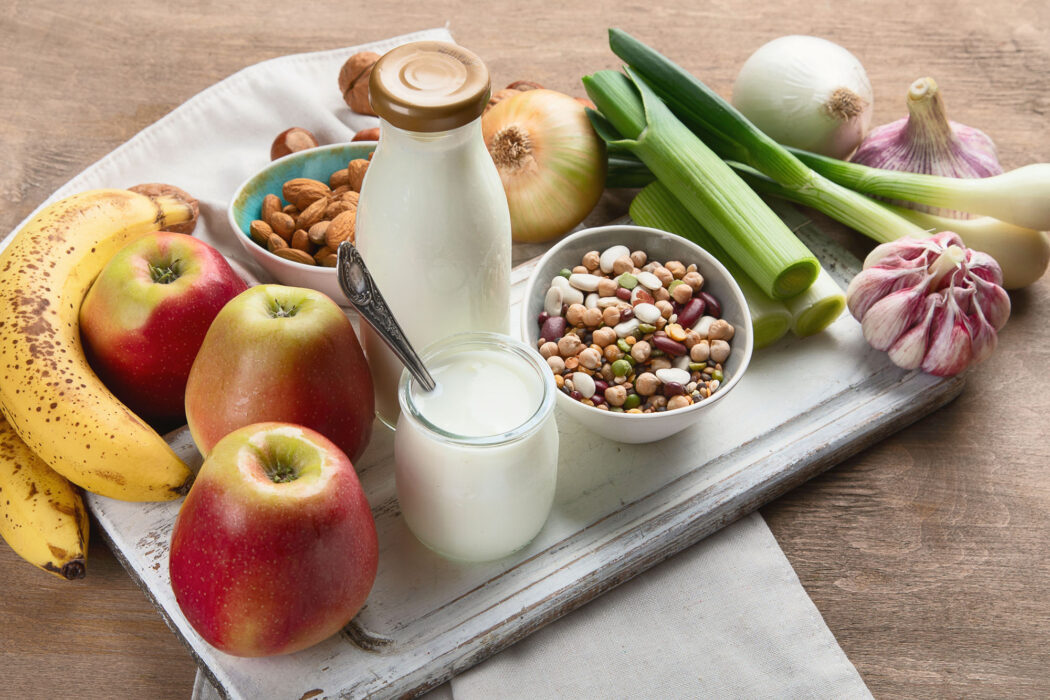
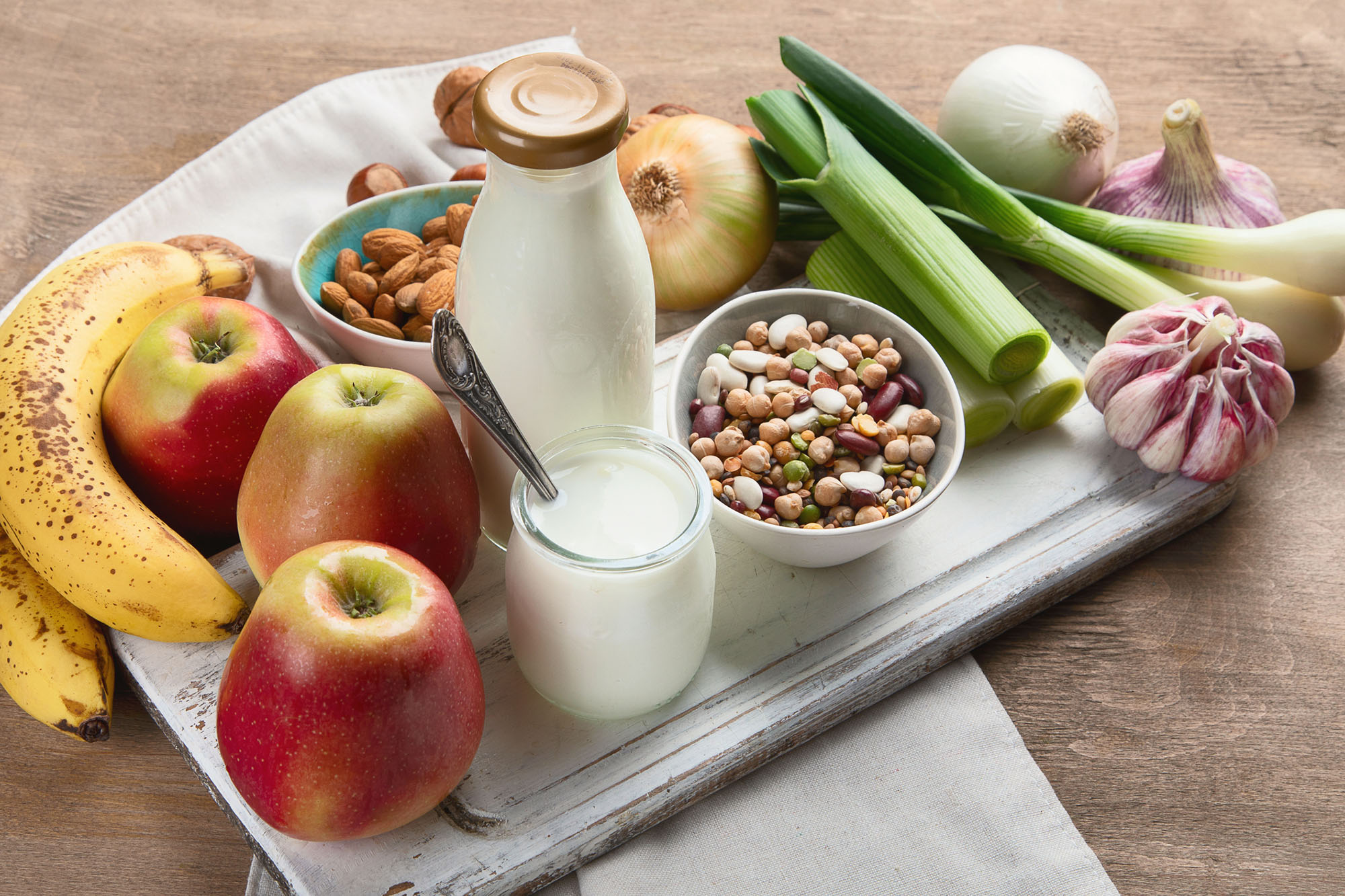
Prebiotics are found naturally in a variety of plant-based foods. Common sources include:
- Chicory root
- Garlic
- Onions
- Leeks
- Asparagus
- Bananas
- Whole grains
- Raw oats
Functional ingredients like acacia fiber are also gaining attention for their fermentability and ability to modulate gut microbiota composition⁶.
[Read more about top foods for gut health]
Why it matters
The human gut microbiome is increasingly recognized as a central player in health and disease. Disruptions to microbial balance – whether through diet, stress, or antibiotics – can have wide-ranging effects. Supporting the microbiome with prebiotics may offer a proactive strategy for maintaining digestive and systemic health.
Global Prebiotics Week encourages individuals, healthcare professionals, and industry stakeholders to explore the science, share resources, and make informed dietary choices. Whether through food or supplementation, integrating prebiotics into daily routines may be a simple yet impactful way to support long-term wellbeing.
This information is provided for educational purposes only and is not a substitute for professional medical advice. Always seek the guidance of your physician or qualified healthcare provider with any questions you may have regarding your health or a medical condition.
References
- Rowland I, Gibson G, Heinken A, et al. Gut microbiota functions: metabolism of nutrients and other food components. Eur J Nutr. 2018;57(1):1-24. doi:10.1007/s00394-017-1445-8
- Robinson JM, Breed MF. Green prescriptions and mental health: a review of evidence and potential pathways. Front Psychol. 2021;12:768948. doi:10.3389/fpsyg.2021.768948
- Wang Y, Florez ID, Morgan RL, et al. Probiotics, prebiotics, lactoferrin, and combination products for prevention of mortality and morbidity in preterm infants: a systematic review and network meta-analysis. JAMA Pediatr. 2023;177(11):1129–1131. doi:10.1001/jamapediatrics.2023.3856
- Office of Dietary Supplements. Probiotics – Health Professional Fact Sheet. National Institutes of Health. Available from: https://ods.od.nih.gov/factsheets/Probiotics-HealthProfessional
- NCCIH. Probiotics: Usefulness and Safety. National Center for Complementary and Integrative Health. Available from: https://www.nccih.nih.gov/health/probiotics-usefulness-and-safety
- Global Prebiotic Association. Global Prebiotics Week. Available from: https://prebioticassociation.org/global-prebiotics-week

Robert Hendriks MD
Chief Executive Officer, SFI Health
Learn
Research is important, and we want to share it. Our articles distill the complex research and offer expert analysis on the microbiome, brain health and wellbeing.

The gut-first approach: what kefir’s popularity reveals about 2026 health trends
Kefir’s rise reflects a broader shift toward gut‑first, functional nutrition.
Read more
Why your gut feelings are real: the vagus nerve, microbial messages and the physiology of the gut-brain
How the vagus nerve and microbiome shape gut-brain health
Read more
How the gut microbiome turns food into fuel: the hidden engine of human energy
The microbiome: the hidden engine behind human performance.
Read more